

Scaling hydrogen shipping while reducing emissions: what are the solutions?

In this episode of #FSRDebates we explore how to decarbonise maritime fuels while ensuring efficient clean hydrogen transportation. The debate will focus on realising the EU’s 2030 climate targets for both the maritime sector and the import of clean molecules, reflecting the relationship between these two areas of work.
Watch the recording:
Maritime emissions
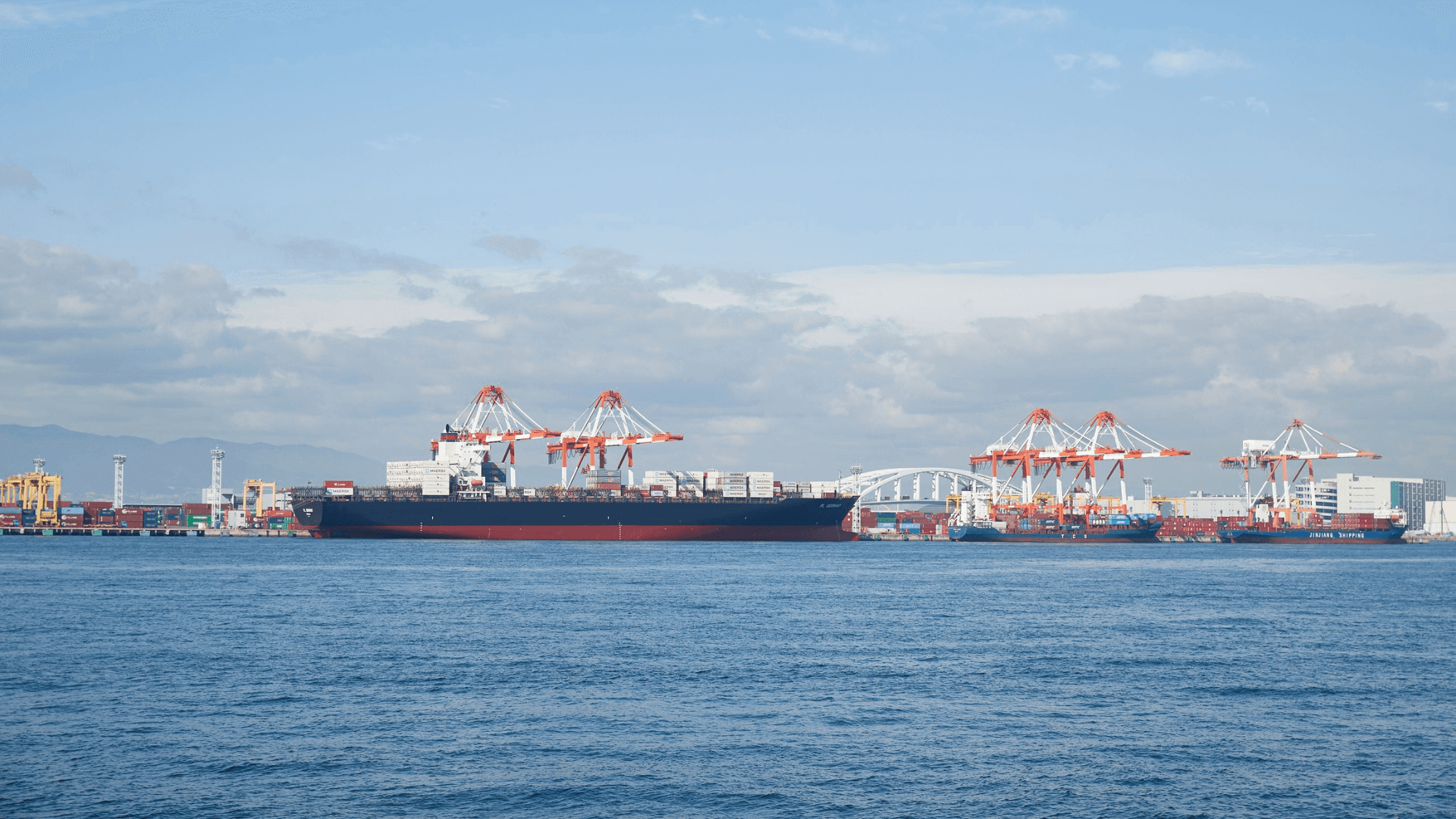
The maritime industry faces growing pressure to reduce its carbon footprint with EU ETS prices pushing up the cost of fossil fuels for shipping, as well as binding targets on clean fuel use from FuelEU looming larger on the horizon. At the same time, demand for shipped deliveries of energy products is on the rise, with a shift towards liquified deliveries of natural gas, and a growing interest in importing clean hydrogen and other clean molecules via ship. Under these conditions, operators in Europe and beyond are beginning to make technology choices on the decarbonised fuel of choice for their next generation of tankers.
Liquid Organic Hydrogen Carriers (LOHCs)
LOHCs are organic compounds that can safely and efficiently store and transport hydrogen, one of the most promising clean energy sources. Unlike pure liquid hydrogen, which requires high-pressure and cryogenic conditions, LOHCs store hydrogen in a liquid carrier at or near ambient temperatures and low pressures, reducing safety concerns and costs associated with hydrogen handling and storage. The ability to store hydrogen in a carrier, could open new horizons for clean energy logistics, especially in maritime transport due to the possibility of utilising much larger and cheaper oil infrastructure. In theory, taking advantage of existing and increasingly available oil infrastructure could be key to overcoming key scalability challenges for shipped deliveries of clean molecules.
This intensive 1-hour session will bring together a handful of key stakeholders who will share their expertise, covering both an industry and academic perspective. There will be space for questions from our expert moderators and the audience.
- Intro: James Kneebone (FSR)
- LOHC and making use of oil infrastructure: Dominik Bruckner (Hydrogenius)
- Questions: Andris Piebalgs (FSR) and Jan Cornillie (STG/3E)
- Paper presentation: Marginal abatement cost of alternative marine fuels and the role of market-based measures. Sotiria Lagouvardou (Technical University of Denmark)
- Questions: Andris Piebalgs (FSR) and Jan Cornillie (STG/3E)
- Questions: Audience
- Closing remarks: Andris Piebalgs (FSR)
Presentations
Don’t miss any update on our events
Sign up for free and access the latest events from our community.
More on the topic